Modern Microwave Lineart for Craft Fair Success
First Impressions: A Bold and Modern Embroidery Design
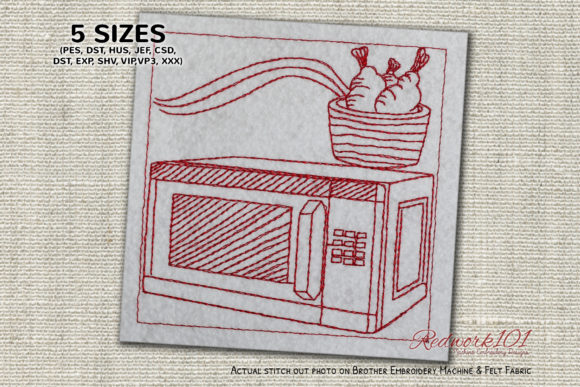
When I first saw the Microwave Lineart, it immediately struck me as a bold and modern design. The clean lines and simplicity make it stand out, giving a fresh and contemporary feel that can appeal to a wide range of customers.
Product Performance: Versatile and Eye-Catching
The Microwave Lineart is incredibly versatile and can be used on a variety of products. Here’s how it performs on different items:
- Tote Bags: This design works beautifully as a large focal point. The bold lines and clear imagery make it easy to see from a distance, perfect for catching the eye of passersby at a craft fair.
- Aprons: As an apron embroidery, it adds a touch of modernity to a traditional kitchen item. It’s both functional and stylish, making it a great seller.
- Kitchen Towels: The simplicity of the design makes it ideal for tea towel embroidery. It’s not too busy, which is important for a practical item like a kitchen towel.
- Caps: For embroidered caps, the design needs to be resized appropriately. The clean lines and simple shape make it adaptable to curved surfaces without losing clarity.
- Patches: As a patch, the Microwave Lineart can be a small but impactful accent. It’s perfect for adding a bit of personality to jackets, bags, or other accessories.
- Fabric Pouches and Pillow Covers: The design adds a modern and minimalist touch, making these items look both chic and functional.
Practical Selling and Production Points
One of the key strengths of the Microwave Lineart is its simplicity. It’s easy to understand at a glance, making it a great choice for both small accents and large focal designs. This versatility is crucial for creating a cohesive and appealing product line.
Photographing the Microwave Lineart for online listings is straightforward. The clean lines and high contrast make it pop in photos, which is essential for Etsy sellers and other digital platforms. Additionally, the design is repeatable for batch production, ensuring consistency and quality across multiple items.
Careful-Use Notes for Embroidery Designers
While the Microwave Lineart is generally easy to work with, there are a few things to keep in mind:
- Dense Stitch Areas: Check the stitch density to ensure it doesn’t pucker the fabric, especially on thinner materials like cotton towels.
- Tiny Details: If the design includes small details, test it on scrap fabric to ensure they don’t get lost or become too cluttered.
- Thick Fabric: On thicker fabrics, use a heavy-duty stabilizer to maintain the design's integrity and prevent distortion.
- Textured Towels: The texture of kitchen towels can sometimes affect the clarity of the design. Use a tear-away stabilizer to help maintain the design’s crispness.
- Curved Cap Surfaces: Adjust the design size and placement to fit the curved surface of caps without distorting the image.
- Dark Fabric: Choose thread colors with high contrast to ensure the design stands out on dark backgrounds.
Visual Appeal and Customer Engagement
The Microwave Lineart enhances the visual appeal of any product it’s embroidered on. Its modern and minimalistic style adds a touch of sophistication, making it a standout item in a craft fair booth. Customers are likely to be drawn to the clean, bold lines and the overall polished look of the design.
For Etsy sellers and small shop owners, this design can significantly boost the perceived value of your handmade products. It’s a design that speaks to a contemporary aesthetic, which is highly sought after in today’s market. The Microwave Lineart also contributes to brand consistency, helping to create a recognizable and professional image for your business.
Embroidery Designer Tips for Success
To ensure the best results with the Microwave Lineart, follow these tips:
- Test on Scrap Fabric: Always start by testing the design on scrap fabric to check for any issues with stitch density, thread tension, or fabric compatibility.
- Check Thread Contrast: Use thread colors that provide good contrast against the fabric to ensure the design is visible and impactful.
- Review Spacing and Placement: Carefully review the spacing and placement of the design, especially on items like caps and pouches where the surface area is limited.
- Confirm Hoop Size: Make sure the hoop size is appropriate for the design and the fabric you’re using. This will help avoid any puckering or misalignment.
- Inspect Stitch Density: Inspect the stitch density to ensure it’s suitable for the fabric. Dense areas may need adjustment to prevent fabric distortion.
- Use the Right Stabilizer: Choose the right type of stabilizer based on the fabric and the design. Tear-away stabilizers work well for most projects, but consider cut-away or wash-away options for specific needs.
- Create Real Mockups: Create at least one real mockup of the finished product to see how the design looks in person. This step is crucial for assessing the overall quality and appeal.
- Compare Fabric Colors: Experiment with different fabric colors to find the best match for the Microwave Lineart. High-contrast combinations often work best.
- Confirm Commercial Licensing: Before selling any finished products, confirm that you have the necessary commercial licensing for the embroidery file.
By following these guidelines, you can maximize the potential of the Microwave Lineart and create a successful and visually appealing product line for your craft fair and online sales. Happy embroidering!